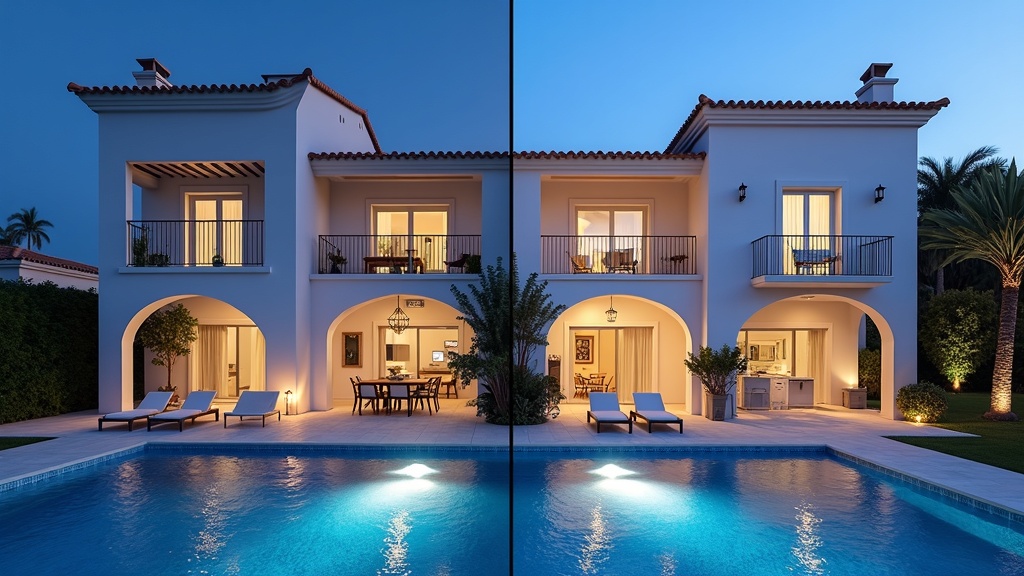
What Makes Costa del Sol Summer Weather Exceptional?
Summer along the Costa del Sol delivers precisely what international buyers dream of when considering Spanish property. From June through September, you'll experience average daily temperatures between 28°C and 32°C, with peaks reaching 35°C inland. However, the crucial difference here is the refreshing sea breeze that moderates the heat along the coastline, making even the hottest days comfortable.
The sunshine statistics are remarkable: 10-12 hours of direct sunlight daily during peak summer months (AEMET 2024). This translates to approximately 320 sunny days annually across the region, creating an almost guaranteed outdoor lifestyle. The Mediterranean provides natural air conditioning, with sea temperatures reaching a pleasant 24°C by August, perfect for swimming and water sports.
Summer rainfall is virtually non-existent, typically under 10mm monthly from June to August. This dry heat, combined with low humidity during daylight hours, creates ideal conditions for terrace dining, beach activities, and the vibrant nightlife that characterises Costa del Sol summers. Property owners consistently report this as their favourite season for entertaining and maximising rental yields.
Why Costa del Sol Winter Weather Transforms Your Investment Strategy
Winter weather fundamentally changes the investment equation for Costa del Sol property. While Northern Europe endures harsh conditions, this region maintains average daytime temperatures of 16-19°C from November through March, with frequent sunny days reaching 22°C. Night temperatures rarely drop below 8°C along the coast, with frost being exceptionally rare.
The winter brings moderate rainfall averaging 500-600mm annually, concentrated in short, intense bursts rather than persistent drizzle. This precipitation pattern keeps the landscape lush without disrupting outdoor activities for extended periods. Most significantly, winter sunshine hours remain substantial at 6-8 hours daily, far exceeding most European destinations.
This mild winter climate creates a secondary rental season increasingly popular with golf tourists, overwinterers, and cultural enthusiasts. Properties in prime locations like Marbella and Estepona can achieve year-round occupancy rates of 75-85%, compared to traditional seasonal destinations managing only 50-60% (Junta de Andalucía tourism data). The extended season directly impacts rental yields and capital appreciation potential.
Costa del Sol's Unique Microclimate Advantage
The Costa del Sol benefits from a unique microclimate created by its strategic position between the Sierra Nevada mountains and the Mediterranean Sea. The mountain range acts as a natural barrier against cold northern winds, while the sea provides thermal regulation, moderating both summer heat and winter cooling.
This geographical advantage results in temperatures consistently 3-5°C higher than inland Andalusía during winter months, and 2-3°C cooler than interior regions during summer peaks. The combination creates what meteorologists classify as one of Europe's most stable subtropical climates, with temperature variations rarely exceeding 20°C between seasonal averages.
Specific microzones within the Costa del Sol offer slight variations. Marbella enjoys optimal mountain protection, while Estepona benefits from additional Atlantic influence. Inland areas like Coín experience slightly more temperature variation but maintain the overall climatic advantages. These nuances affect property values, with south-facing coastal properties commanding premiums of 15-25% over inland equivalents.
Maximising Your Property Investment Through Weather Awareness
Understanding seasonal weather patterns directly impacts property selection and renovation decisions. Summer-focused properties require excellent air conditioning, quality sun protection (toldos), and ideally pool access. These features can increase rental rates by 20-30% during peak season and significantly boost resale values.
Winter preparedness involves ensuring adequate heating systems, proper drainage for intense rainfall periods, and weatherproofing for occasional storms. Many modern developments incorporate reversible air conditioning systems serving dual purposes, while older properties may require heating upgrades costing €3,000-8,000 depending on size.
Property orientation becomes crucial for year-round comfort. South-facing terraces maximise winter sunshine but may require additional shading for summer use. East-facing properties offer pleasant morning sun without afternoon heat intensity. These factors influence both personal comfort and rental attractiveness across seasons.
If you're considering Costa del Sol property investment, Emma, our AI property advisor, can provide personalised insights based on your specific weather preferences and investment goals. The combination of reliable sunshine, mild winters, and exceptional quality of life makes this region uniquely positioned for both lifestyle enhancement and solid property returns.
Buyer decision matrix
| Factor | Why it matters | What buyers should verify |
|---|---|---|
| Everyday use | The home must work outside holiday weeks. | Access, services, noise, parking, running costs and year-round comfort. |
| Resale | Practical use supports future demand. | Location, maintenance, rules, energy and local activity. |
| New build | Specifications shape comfort and costs. | Orientation, shade, ventilation, shared facilities, handover and aftercare. |
Local buyer context
Lifestyle value comes when climate, nature, services, health access and home design support year-round routines.
A buyer comparing London, Belfast, Dublin, Manchester or Amsterdam routes usually weighs flight rhythm, family visits, remote work and quieter-month practicality.
For new builds, connect the topic with licences, payment plan, materials, shared facilities, handover and aftercare.
New-build focus: For new builds, connect the topic with licences, payment plan, materials, shared facilities, handover and aftercare.