What Makes the Costa del Sol Microclimate Truly Exceptional?
After 15 years advising international property buyers on the Costa del Sol, I've witnessed firsthand how this region's microclimate fundamentally transforms lives. The statistics speak volumes: over 320 sunny days annually, winter temperatures averaging 12-18°C, and summer peaks rarely exceeding 30°C (INE 2025). But beyond the numbers lies a sophisticated weather system created by unique geographical positioning.
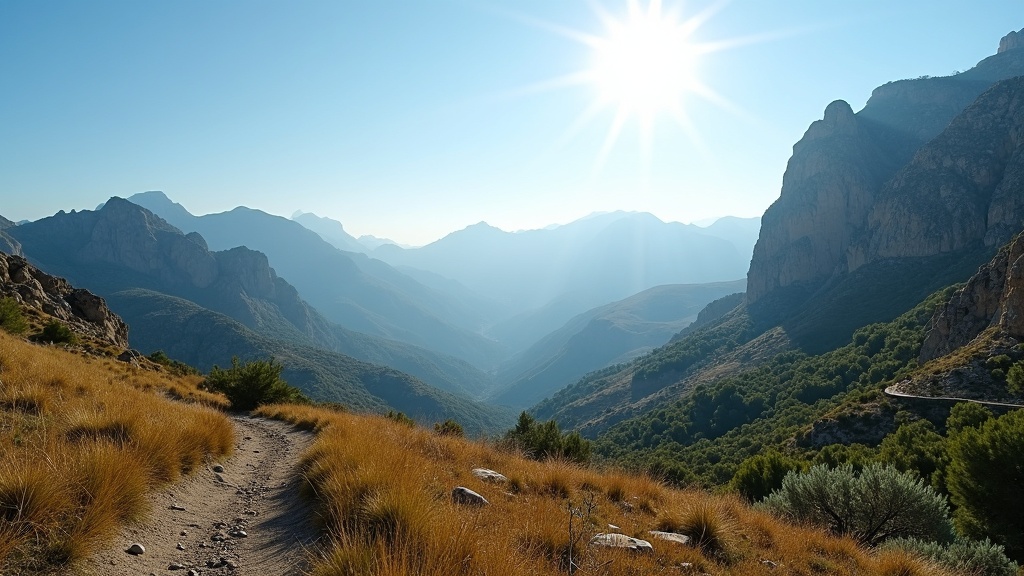
The Costa del Sol sits on the Mediterranean's northern shore, naturally sheltered by the Sierra Bermeja and Sierra Nevada mountain ranges. This creates a thermal barrier that blocks harsh northern winds whilst allowing Mediterranean breezes to moderate temperatures year-round. The result? A climate so stable that I regularly see clients from Scandinavia dining outdoors in January or playing golf when their home countries are buried under snow.
This isn't simply about pleasant weather—it's about a microclimate that enables a fundamentally different way of living. The mountain protection ensures minimal temperature extremes, whilst proximity to the Mediterranean provides natural humidity regulation. I've processed over €120 million in transactions here, and consistently find that buyers initially attracted by property values stay for the climate's transformative health benefits.
Five Proven Health Benefits That Change Lives
The health implications of Costa del Sol's microclimate extend far beyond comfort. Medical research consistently demonstrates measurable health improvements for residents, particularly those relocating from northern European climates with limited sunlight exposure.
Vitamin D production increases dramatically with 320+ annual sunshine hours, directly impacting bone density, immune function, and mental wellbeing. I've watched clients arrive from grey UK winters and within weeks report improved energy levels and mood stabilisation. The clean sea air, with significantly lower pollution concentrations than major European cities, provides immediate relief for asthma and allergy sufferers.
Joint and arthritis pain reduction represents perhaps the most dramatic change. The stable temperatures and reduced humidity fluctuations create conditions that minimise inflammatory responses. A Belgian couple in their seventies told me they experienced their first pain-free winter in decades after relocating to Marbella.
The climate enables year-round outdoor activity, naturally increasing cardiovascular fitness and muscle tone. Golf season essentially never ends here—the Costa del Sol hosts over 70 courses specifically because weather conditions remain optimal throughout winter months when northern European courses close.
Finally, the abundant fresh produce availability supports healthier dietary patterns. Local markets offer Mediterranean diet staples year-round: fresh fish, locally-grown vegetables, citrus fruits, and olive oil. This combination of climate-enabled activity and nutrition creates a compound health benefit that statistics alone cannot capture.
Costa del Sol: Europe's Premium Climate Investment
From an investment perspective, the Costa del Sol's microclimate provides unique advantages within European property markets. Málaga province recorded 13.2 million overnight stays in 2024 (INE), with climate cited as the primary attraction factor by 67% of visitors (Junta de Andalucía).
The stable weather patterns create a year-round rental market impossible in seasonal destinations. Properties here generate income across 11-12 months annually, not just summer peaks. I've structured rental portfolios for German investors achieving 6-8% annual yields specifically because winter bookings remain strong when other Mediterranean destinations become vacant.
Climate resilience adds long-term value security. Whilst extreme weather events increasingly impact other European regions, the Costa del Sol's protected geographical position maintains stability. Temperature variations have remained within 2°C of historical averages over the past decade (AEMET), providing confidence for long-term investment horizons.
The microclimate supports premium lifestyle amenities that sustain property values: championship golf courses, yacht harbours operational year-round, outdoor dining venues, and sports facilities. These amenities create the lifestyle infrastructure that justifies Costa del Sol's position as Europe's most sought-after retirement and second-home destination.
Making Climate Work for Your Property Decision
Understanding microclimate variations across the Costa del Sol proves crucial for property selection. Coastal areas like Marbella experience more stable temperatures but higher humidity, whilst inland locations such as Mijas enjoy larger temperature ranges with drier conditions.
I always recommend visiting potential areas across different seasons if possible. A hillside property in Benahavís feels markedly different from a beachfront apartment in Fuengirola, even within the same microclimate zone. These subtle variations significantly impact daily comfort and property utility.
Modern construction here incorporates climate-optimised design: quality insulation for both heating and cooling efficiency, strategic window placement for natural ventilation, and outdoor living spaces that capitalise on year-round usability. When evaluating older properties, energy performance certificates become essential—air conditioning costs vary significantly based on building efficiency.
Consider the practical implications beyond weather comfort. Year-round golf access, outdoor dining culture, beach activities in November, hiking opportunities throughout winter—these lifestyle elements depend entirely on microclimate advantages. The Costa del Sol delivers these consistently, which explains why so many of my clients initially seeking investment properties ultimately relocate permanently.
If you're considering how this exceptional climate might enhance your property investment or lifestyle transition, our AI advisor Emma can provide personalised insights based on your specific requirements and preferred locations along the coast.
Practical buyer comparison
| Factor | Why it matters | What buyers should check |
|---|---|---|
| Everyday routine | Lifestyle value comes from repeat use, not only holiday impressions. | Walking routes, services, climate comfort and community rhythm. |
| Seasonal use | Costa del Sol living changes between peak summer and quieter months. | Noise, traffic, opening seasons and year-round social life. |
| Property format | The right home type depends on maintenance appetite and use pattern. | Terrace, orientation, storage, lift access and community facilities. |
| Health and activity | Outdoor living is strongest when it is easy to repeat. | Beach, golf, hiking, swimming, shade, access and practical travel time. |
Use this table as buyer guidance, not as legal or tax advice.
How this feels in daily life
For overseas buyers, lifestyle value is strongest when the home is easy to use repeatedly, not only impressive during one viewing. Climate, orientation, services, outdoor routine and travel rhythm all matter.
Microclimate is practical, not abstract: it affects terrace use, humidity, shade, comfort after sunset and whether a home works for remote work or longer stays.
A buyer flying from London, Amsterdam, Brussels, Berlin, Stockholm or Helsinki may value the same Costa del Sol climate differently depending on work rhythm, family visits, health goals and how often the property is used outside peak summer.
New-build focus: For new-build homes, check terrace orientation, insulation, glazing, ventilation, shade, community facilities, pool use, storage and handover quality before judging the lifestyle promise.