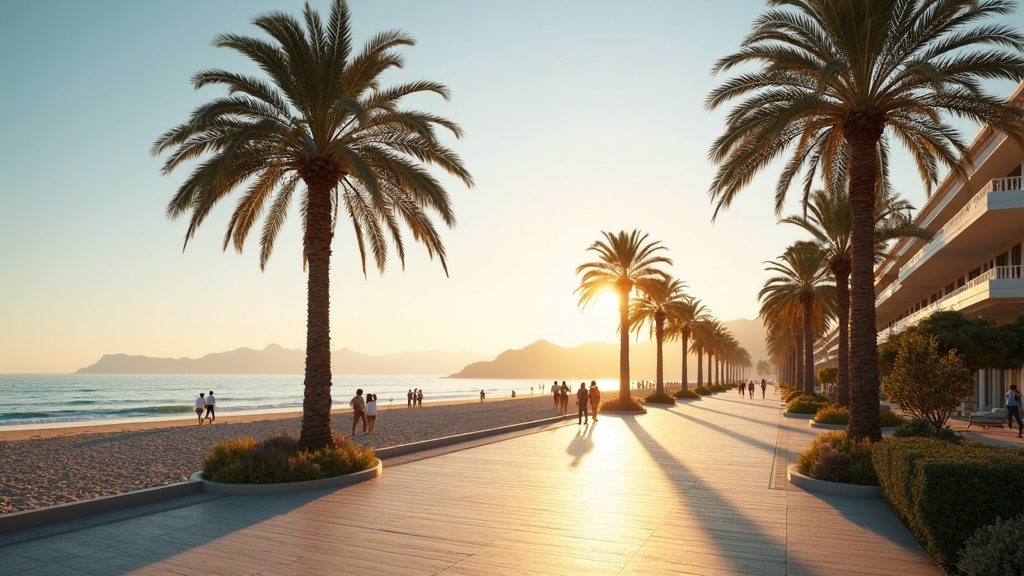
What Makes Costa del Sol's Climate Exceptional for Northern Europeans
Costa del Sol's climate represents Mediterranean perfection, delivering approximately 320 sunny days annually alongside mild winters that transform this coastline into a year-round haven for Northern Europeans. As someone who has lived and worked on the Costa del Sol for over 15 years, I can confidently state that climate remains the primary driver behind international property purchases here.
The region's unique geography creates an exceptional microclimate. The Sierra Nevada mountain range runs parallel to the coast, forming a natural barrier that blocks cold northern winds during winter months. Simultaneously, the Mediterranean Sea acts as a natural thermostat, preventing extreme summer heat whilst ensuring winters remain pleasantly mild. This combination produces daily average temperatures of 10-18°C in winter and 25-32°C in summer, according to Spain's National Statistics Institute (INE 2024).
The coastal towns of Marbella, Estepona, and Fuengirola benefit particularly from the sea breeze effect, where afternoon temperatures rarely become oppressive even during August peaks. Inland areas experience slightly higher temperatures, but the coastal strip maintains its comfortable microclimate throughout the year.
How This Climate Benefits International Property Buyers
For buyers from Sweden, Holland, Germany, and the UK, Costa del Sol's climate offers transformative lifestyle benefits that extend far beyond mere comfort. The consistent sunshine directly impacts both physical and mental wellbeing, addressing common Northern European challenges like Seasonal Affective Disorder and vitamin D deficiency.
Medical research confirms that regular sun exposure stimulates serotonin production, improving mood and energy levels whilst supporting calcium absorption for bone health. Many of my clients report significant improvements in respiratory conditions after relocating, attributed to the cleaner coastal air with reduced allergens and optimal humidity levels.
The economic implications are equally compelling. Heating costs virtually disappear during the 6-month 'winter' period when temperatures rarely drop below 10°C. Outdoor dining, entertainment, and recreational activities remain viable year-round, creating substantial savings compared to indoor alternatives common in Northern Europe. Property maintenance costs also decrease due to reduced weathering from extreme temperature fluctuations.
Investment properties benefit from extended rental seasons. Whilst Northern European destinations offer 3-4 month peak seasons, Costa del Sol properties generate income across 8-10 months annually, with winter sun seekers particularly valuable during the December-March period when Northern Europe experiences its harshest weather.
Costa del Sol's Year-Round Weather Patterns
Understanding seasonal variations helps international buyers optimise their property use and lifestyle planning. Each season offers distinct advantages whilst maintaining the underlying Mediterranean stability that makes this region exceptional.
Spring (March-May) delivers perfect conditions with temperatures rising from 15°C to 22°C. Rainfall decreases significantly from winter levels, and the landscape blooms spectacularly. This period is ideal for hiking in the nearby mountains, exploring the white villages, or enjoying golf without summer heat intensity.
Summer (June-August) brings warm temperatures between 25-32°C, with occasional peaks above 35°C in August. However, the afternoon sea breeze provides natural air conditioning, particularly in coastal properties. Evening temperatures remain comfortable for outdoor dining, with many restaurants and bars maintaining terrace service until midnight or later.
Autumn (September-November) represents many residents' favourite season. Temperatures moderate to 18-25°C whilst the Mediterranean remains warm enough for swimming well into October. Occasional rainfall returns, typically in short, refreshing bursts rather than prolonged periods. This season offers perfect conditions for cultural activities, local market visits, and extended outdoor exploration.
Winter (December-February) showcases Costa del Sol's greatest advantage for Northern Europeans. Daily temperatures of 10-18°C mean outdoor café terraces remain viable throughout the day. Sunshine remains abundant, creating those magical December afternoons where you're dining al fresco in shirt sleeves whilst friends back home endure sub-zero temperatures and darkness by 4 PM.
The mountains provide additional recreational opportunities, with Sierra Nevada ski slopes just 90 minutes away, offering the unique possibility of skiing in the morning and beach walks in the afternoon during winter months.
Making Your Costa del Sol Climate Dream Reality
Successfully transitioning to Costa del Sol's climate requires some practical considerations that I've learned through helping hundreds of international families. The intensity of Mediterranean sun catches many Northern Europeans off guard initially. Even during mild winter days, UV levels remain significant, requiring consistent sun protection habits year-round.
Property selection should consider orientation and outdoor space to maximise climate benefits. South-facing terraces capture winter sunshine, whilst east or west orientations provide morning or evening relief during summer months. Swimming pools become year-round assets rather than seasonal luxuries, with heated pools extending the swimming season from April through November.
Timing your property search strategically allows you to experience different seasonal conditions firsthand. Winter visits reveal the coast's true character when tourist crowds thin and you can assess the authentic year-round lifestyle. Many buyers fall in love during summer visits but make their purchase decisions after experiencing the mild winter months that truly differentiate Costa del Sol from other European destinations.
Air conditioning becomes essential for comfortable summer living, particularly for properties away from the immediate coastline. However, the investment pays dividends in extended usability during peak heat periods and increased rental potential for summer lettings.
At Del Sol Prime Homes, we understand that climate drives lifestyle dreams. Our Emma AI advisor can provide specific microclimate data for individual areas and help identify properties that maximise your enjoyment of Costa del Sol's exceptional year-round weather. Whether you're seeking a winter sun retreat or permanent relocation, understanding local climate patterns ensures your property investment delivers the lifestyle transformation you're seeking.
Practical buyer comparison
| Factor | Why it matters | What buyers should check |
|---|---|---|
| Everyday routine | Lifestyle value comes from repeat use, not only holiday impressions. | Walking routes, services, climate comfort and community rhythm. |
| Seasonal use | Costa del Sol living changes between peak summer and quieter months. | Noise, traffic, opening seasons and year-round social life. |
| Property format | The right home type depends on maintenance appetite and use pattern. | Terrace, orientation, storage, lift access and community facilities. |
| Health and activity | Outdoor living is strongest when it is easy to repeat. | Beach, golf, hiking, swimming, shade, access and practical travel time. |
Use this table as buyer guidance, not as legal or tax advice.
How this feels in daily life
For overseas buyers, lifestyle value is strongest when the home is easy to use repeatedly, not only impressive during one viewing. Climate, orientation, services, outdoor routine and travel rhythm all matter.
A sunny climate is valuable when the property is designed for it. Orientation, cooling, winter sun, shaded terraces and indoor-outdoor flow change daily use.
A buyer flying from London, Amsterdam, Brussels, Berlin, Stockholm or Helsinki may value the same Costa del Sol climate differently depending on work rhythm, family visits, health goals and how often the property is used outside peak summer.
New-build focus: For new-build homes, check terrace orientation, insulation, glazing, ventilation, shade, community facilities, pool use, storage and handover quality before judging the lifestyle promise.